
MICROBAKERY BUSINESS · Lessons from Healthy Nasti Kitchen
A fridge can become your production limit
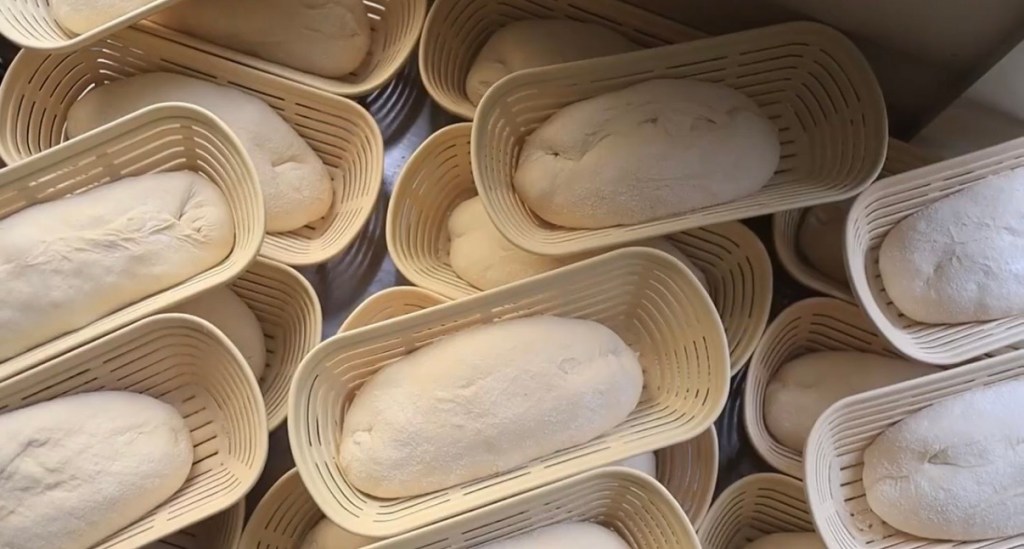
When I baked for Healthy Nasti Kitchen, the oven was an obvious bottleneck. I could count the loaves it baked each hour. But a microbakery can run out of capacity long before the first loaf reaches the oven: when there is no safe, organised space left for dough to cold-proof overnight.
A cold-retard schedule is not just a fermentation decision. It is a storage, handling and production-planning decision. If you promise more loaves than your fridge can hold, the production plan is already broken.
Count usable spaces, not theoretical volume
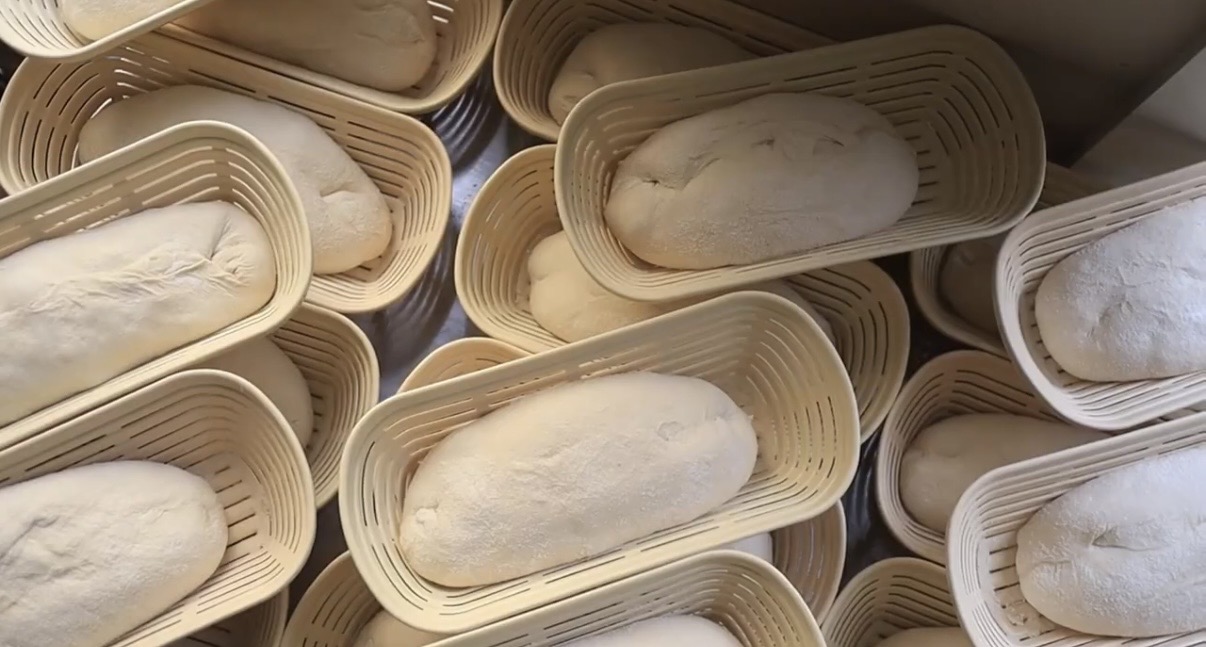
A fridge’s litre rating does not tell you how many bannetons will fit. Measure the clear shelf width, depth and height, then test the actual baskets or trays you use. Allow room for doors, shelf supports, air circulation and safe handling. Do not assume every shelf can carry the same load; check the manufacturer’s limits.
Think in complete batches. If one shelf accommodates a certain number of baskets without stacking or crowding, record that verified capacity. Repeat for each shelf and for each basket size. Round and oval baskets often use the available footprint differently.
A practical capacity sheet needs four fields: shelf, basket or tray type, tested positions, and any restriction. This is a measurement exercise for your own equipment, not a universal basket-count formula.
Plan the entire cold-proofing window
A basket may occupy fridge space for much longer than the nominal retard time. It enters after shaping and stays there until its oven slot is ready. When multiple mixes overlap, the first batch may still be inside as the next batch needs space.
Draw a simple timeline: shaping completed, fridge loading, expected baking start, oven batches and fridge clearance. Mark the maximum number of baskets simultaneously inside. That peak, rather than the total number baked in a day, determines the storage requirement.
In my sourdough process I have often used a 12–18-hour cold retard, but that is a method preference, not a rule that suits every formula or fridge. Fermentation depends on dough temperature, starter activity, flour and the actual cooling performance of the equipment.
Cold storage must still be food-safe
Cold proofing slows fermentation; it does not excuse poor hygiene or unsuitable storage. Follow the food-safety requirements applicable to your products and business. Use clean, food-suitable containers and keep raw or contamination-prone items from exposing dough to hazards.
Check how your fridge performs when fully loaded, including whether the door is repeatedly opened. Do not invent a safe operating temperature from a bread recipe. Confirm applicable controls with your local regulator and relevant food-safety guidance. A thermometer and recorded observations are more useful than assuming the display reflects every shelf.
For regulatory guidance, start with Food Standards Australia New Zealand’s food-safety standards and the requirements set by your South Australian council.
Build a fridge-to-oven loading sequence
A good plan tells the baker which baskets leave the fridge first. Label batches clearly and arrange them so the first oven load is accessible without unloading half the fridge. Keep different formulas and allergens identifiable.
Then work backwards from the final pickup time. Your sequence must accommodate oven throughput, cooling, packing and delivery. I explored the downstream constraint in why cooling is a microbakery bottleneck, and the oven constraint in the oven investment lesson from my own bakery.
If your fridge holds more dough than you can bake and cool before collection, extra fridge capacity alone will not solve the problem. The stages must be balanced.
A five-minute capacity check before accepting more orders
Before confirming an additional production run, answer these questions: How many baskets are already committed? What is the peak simultaneous fridge occupancy? Which shelf spaces are genuinely available? Can the oven clear those baskets at the right time? Can the finished bread cool and be packed before handover?
If one answer is uncertain, test it with the equipment you own before selling the extra loaves. Capacity planning is less exciting than buying another oven, but it is how you keep your promises.
For practical sourdough and microbakery systems, explore the Microbakery Business journal or subscribe to the Baking Journal.


Leave a Reply