
THE BUSINESS · A microbakery owner’s real-world lesson
Why the oven that helps you start your bakery might become the very thing stopping it from growing.
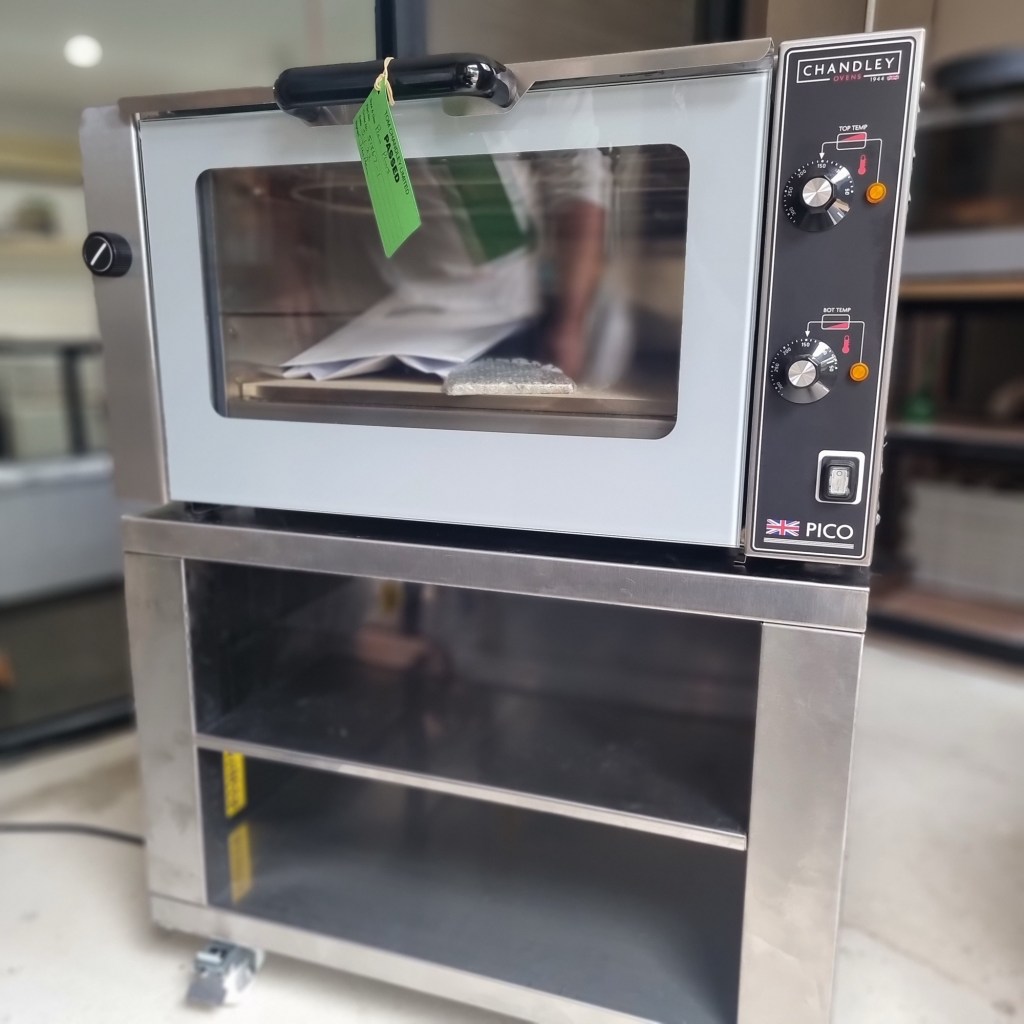
When I bought my first Pico Plus oven, I was excited. It felt like a serious investment in my future as an artisan baker. I was thinking about the beautiful sourdough I could bake and the orders I could finally accept. What I did not fully appreciate was how quickly production capacity could become my biggest constraint.
A good bread oven is not necessarily the right business investment.
My first Pico Plus: the excitement of getting started
My first oven was an important step in my microbakery journey. It helped me move beyond domestic baking and learn how to organise repeatable production. In this early video, you can see that enthusiasm firsthand.
But equipment that helps you begin does not always help you scale. Before buying, I should have calculated not only the quality of the bread, but the number of loaves I could actually sell and bake within a sustainable working day.
The six-loaf-per-hour bottleneck
In my production setup, one Pico Plus delivered around six loaves per hour. With two, I could bake around twelve loaves per hour. These are my experienced production rates, not universal manufacturer specifications.
| Production target | One Pico Plus | Two Pico Plus ovens |
|---|---|---|
| 24 loaves | 4 hours | 2 hours |
| 48 loaves | 8 hours | 4 hours |
| 72 loaves | 12 hours | 6 hours |
| 96 loaves | 16 hours | 8 hours |
Imagine baking 96 loaves with just one oven: sixteen theoretical hours of oven time. Even after doubling my equipment, that was still eight hours of baking before considering mixing, folding, shaping, proofing, cooling, packing and delivering.
Why the second oven did not solve my scaling problem
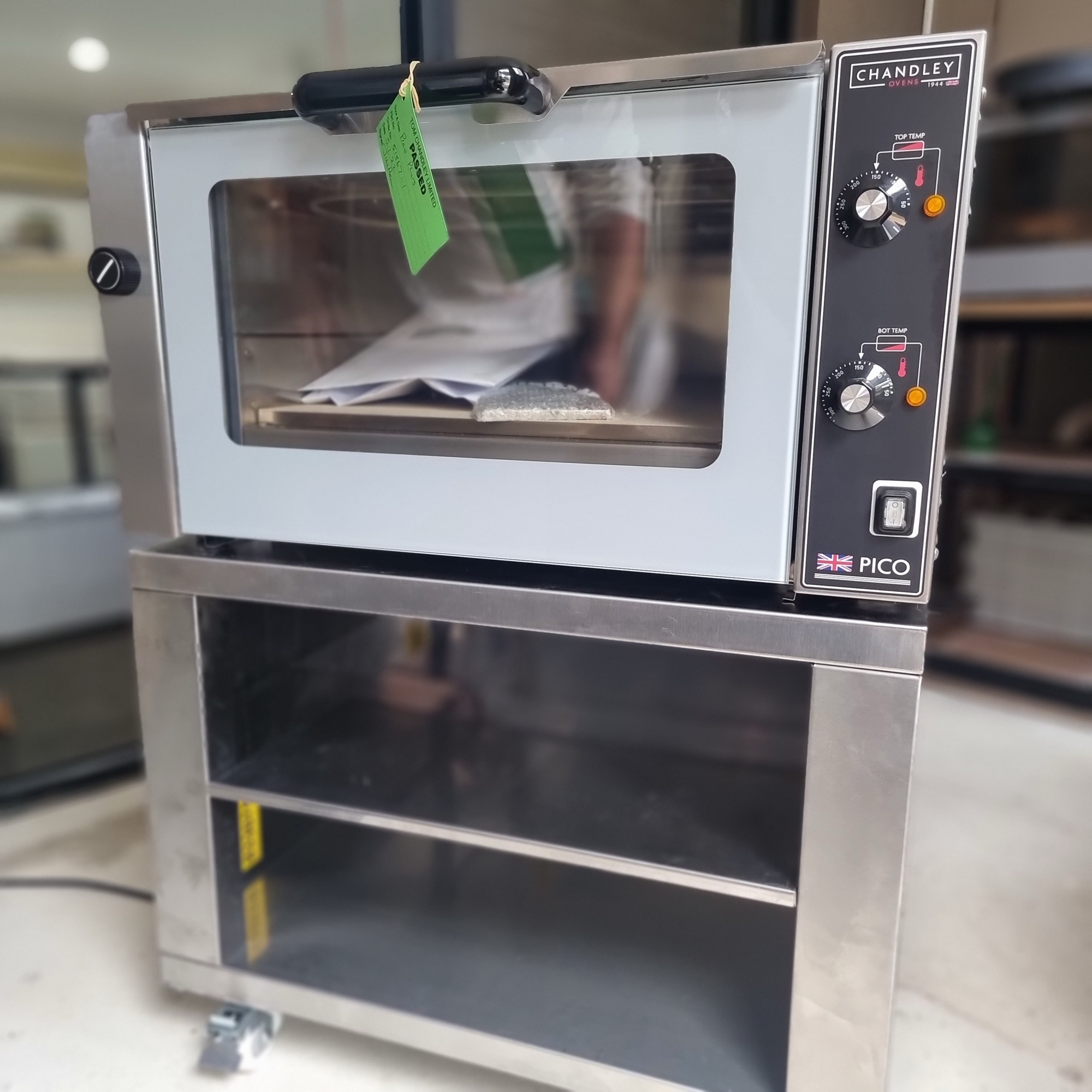
I invested approximately A$8,000 across two Pico Plus ovens. Buying the second one doubled output, but it also doubled down on a small-batch production model. I could produce more bread, yet I still spent long hours loading, unloading and managing the baking cycle.
Looking back, I should have compared the cost of hiring a larger oven, renting production time in a commercial bakery, or buying a suitable second-hand commercial oven. Any of those options would have needed careful assessment, but they deserved to be part of the decision before I spent the money.
When microbakery dreams hit reality
This second video tells the other side of the story: what happens when your ambitions, orders and workload grow faster than your production system. It is not simply a criticism of an oven. It is a lesson in designing a bakery for the volume you want to achieve.
Start with the bread and the production target
Before comparing brands, define the products you intend to sell. Crusty sourdough loaves, baguettes, focaccia and enriched rolls can demand different baking conditions. Consider steam, temperature recovery, loading method, usable baking surface, batch size and consistency. Then decide how many loaves you need per day and how many hours you can realistically spend baking.
At six loaves per hour, 100 loaves require about 16.7 hours of theoretical oven time. At twelve per hour, about 8.3 hours. A hypothetical oven system producing thirty per hour would require about 3.3 hours. Those figures do not promise that a larger oven is better; they show why hourly throughput belongs at the centre of your purchasing decision.
What type of oven suits your stage?
Domestic ovens can be an economical way to test recipes and early demand, but their small batch size and steam limitations can become frustrating. Compact artisan ovens can offer more purpose-built bread baking in a smaller footprint, yet may restrict growth. Commercial convection ovens can be versatile, although airflow and steam performance need evaluating for hearth-style bread. Deck ovens can suit artisan loaves, depending on configuration. Rack ovens can offer substantial throughput but demand appropriate premises, capital and production volume.
Do not assume an advertised capacity equals your real output. Ask for a demonstration with your loaf size, preferred baking profile and actual loading method.
Check the building before buying the oven
There is another lesson I learned the hard way. When my microbakery moved premises, the available electrical capacity could not reliably support the ovens alongside the refrigerators, mixer and other equipment. Upgrading the power supply would have required additional money and the landlord’s approval. That infrastructure problem contributed to the closure of my home microbakery.
Before paying a deposit, confirm the electrical supply, circuit requirements, ventilation, access, space and applicable food-business approvals. Have the installation requirements checked by qualified professionals. A bargain oven is no bargain if you cannot safely use it.
Calculate the true cost per loaf
An A$8,000 equipment investment spread evenly over 104 weeks is about A$77 per week before financing costs. At 100 loaves sold each week, that is approximately A$0.77 per loaf for the equipment purchase alone. Add electricity, servicing, installation, labour, downtime and the cost of capital before comparing alternatives.
A cheaper oven may cost more in labour. A larger oven may be wasted if demand is not there. The useful comparison is the total cost of producing and selling the quantity of bread your customers will actually buy.
Should you buy, hire or share an oven?
If cash is limited, hiring commercial kitchen time or arranging access to an existing bakery’s oven can be worth investigating. The trade-offs include scheduling, transport, insurance, food-safety requirements and availability. A suitable second-hand oven can also be an option, provided you check its condition, service history, power needs and installation costs.
Five questions I would ask before spending a dollar
- How many of my actual loaves can this oven bake per hour?
- Can my premises safely and legally support it?
- What is the total cost per 100 saleable loaves, including labour?
- What happens if weekly demand doubles?
- Would hiring, sharing or buying different second-hand equipment be a better first step?
The lesson I want other bakers to learn
My first Pico Plus helped me start. My second helped me produce more. But neither solved the deeper problem: how to make enough bread in fewer working hours while protecting my margins and my time.
I do not believe the Pico Plus is a bad oven. I believe I made a purchasing decision without fully planning the production scale my business would need. That is an important difference.
Do not choose an oven only because you are excited to own it. Choose it because you have calculated what your bakery needs it to do.
For more practical lessons from my artisan baking and microbakery journey, explore SA Bakery Supplies and join the baking community.


Leave a Reply