
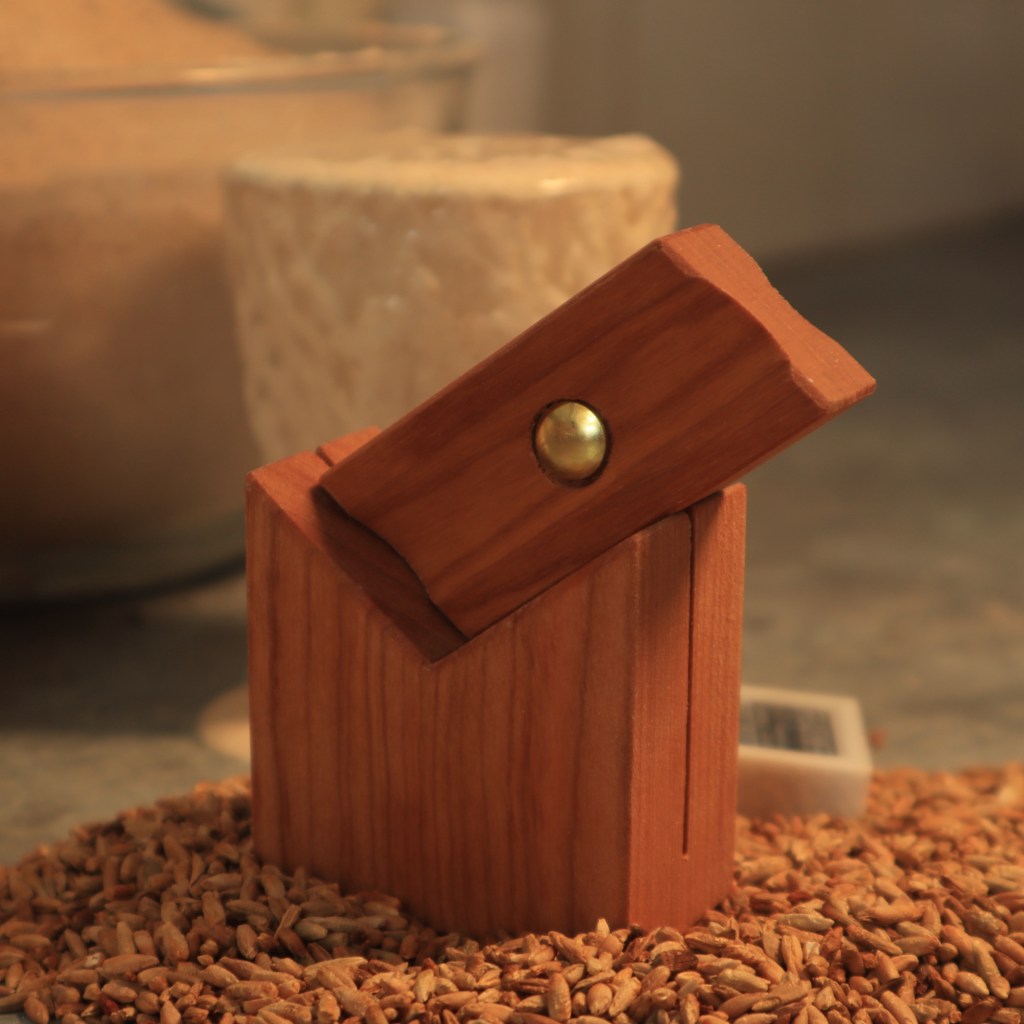
Some grains impress me with their strength. Others with their flavour. Rye does both, but what makes me love it is something harder to explain: rye feels alive, earthy and a little dirty. I mean that as a compliment.
Why I call rye a magic grain
Rye has a reputation for growing where other cereal crops struggle. It can tolerate cold conditions and relatively poor soils, and it is often grown in places where wheat is less dependable. That resilience fascinates me. It does not mean rye grows successfully in every climate or needs no water, but it is a remarkably adaptable cereal.
When I think about rye, I think about a grain that has learnt to make the most of difficult conditions. There is something beautiful about bringing that character into a loaf of bread.
The smell is what gets me every time
Open a bag of good rye flour and take a moment before you add any water. To my nose, there is sweetness, nuttiness and complexity. Sometimes I pick up hints that remind me of spices or toasted coffee. Those are my personal sensory impressions, not a promise that every rye flour will smell the same.
Flour is not just a percentage in a recipe. It has a personality. Rye is one of the grains that reminds me of that most clearly.
What I mean by “dirty”
When I call rye dirty, I am not saying it should contain dirt or that hygiene does not matter. I mean rustic, earthy and close to the grain — particularly when I find a good organic wholegrain rye flour.
Organic certification tells us something about how a crop was produced; it does not automatically make the flour purer, more nutritious or safer than conventional flour. And regardless of whether it is organic, flour should always come from a reputable food-grade supplier.
What matters most to me is that wholegrain rye keeps the bran and germ alongside the starchy part of the kernel. That is where much of its character comes from.
Why I love rye in my sourdough starter
Rye is one of my favourite flours to use when I want to refresh a starter. Wholegrain rye brings minerals and other nutrients from the whole kernel, as well as enzymes that help break down starch into sugars microorganisms can use. It can make a starter seem particularly lively.
But a bubbling jar is not proof that rye is universally the best starter flour. Fermentation also depends on temperature, feeding ratio, hydration, microbial community and how mature the starter is. A rye-fed starter can look and feel different from one fed with white wheat flour, so I judge it by its aroma, rise and consistency over several feedings — not one dramatic photograph.
For a deeper explanation of what your starter is telling you, read How Your Sourdough Starter Affects the Finished Loaf and Your Sourdough Starter Is Not a Clock.
Rye also asks you to bake differently
Rye is not simply dark-coloured wheat. Its proteins do not form the same strong, elastic gluten network that bread wheat does. In rye-rich doughs, starch behaviour and water-binding compounds called arabinoxylans become especially important to structure.
That is why copying the hydration or handling method of a white wheat sourdough can be frustrating. Rye dough can feel stickier and less elastic. The higher the rye percentage, the more important it becomes to use a method suited to rye rather than forcing the dough to behave like wheat.
Start with a modest amount of rye in your usual loaf and observe how it changes aroma, fermentation and texture. Keep your flour blend and dough temperature consistent while you learn. My article Stop Chasing 80% Hydration explains why flour choice must guide your water decisions.
My advice: smell it before you measure it
Before the scales, before the mixing bowl, before the spreadsheet: smell your flour. Get to know the difference between freshly opened rye and wheat. Pay attention to what happens after you add water and again when the starter ferments.
That is what I love about sourdough. The more carefully you observe, the more the ingredients teach you.
Rye is magic to me not because it breaks the rules of baking, but because it reminds me how much character a humble grain can carry.
Do you use rye in your starter or your bread? I’d love to hear what you notice in the aroma and fermentation. You can explore more stories and practical advice in the Baking Journal or subscribe for new articles.
Watch my rye sourdough method — with a little secret
There is something I deliberately haven’t explained in this article: in my rye sourdough method, I put the grains through two separate processes. Those steps are part of what makes the method my own. Rather than give away the details here, I’d love you to watch the video and discover them for yourself.
Watch my rye sourdough method on YouTube →
Further reading
For background on rye’s growing characteristics and its distinct baking behaviour, see Encyclopaedia Britannica’s rye overview and King Arthur Baking’s guide to baking with rye flour.


Leave a Reply