
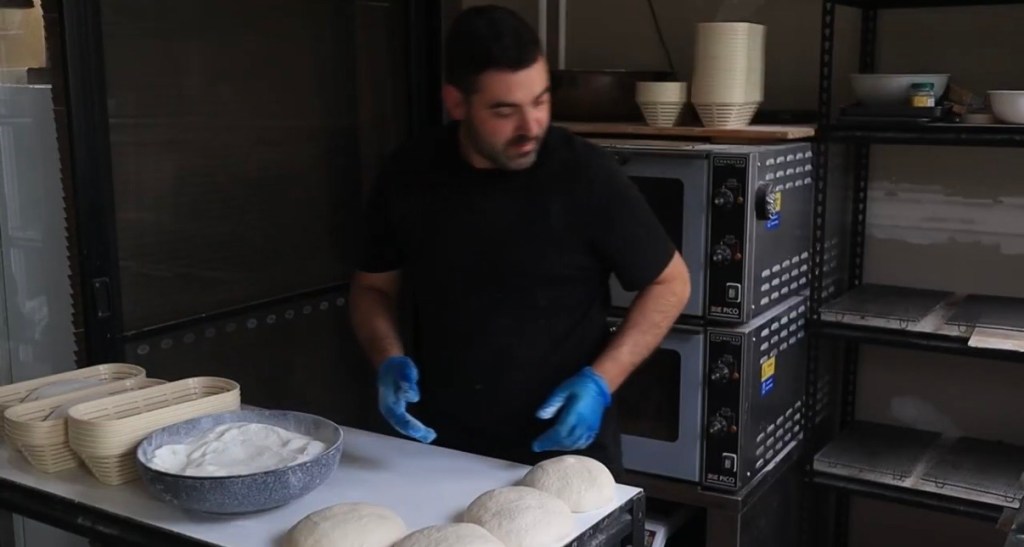
When demand for my microbakery started growing, so did the requests for bread at short notice. People wanted fresh sourdough, and understandably, they sometimes wanted it the next day. But I learnt that saying yes to every order was not the same as running a reliable bakery.
My solution was a minimum 48-hour notice period for bread orders. It gave me time to plan the dough, the cold fermentation, the oven, the cooling, the slicing, the packing and the deliveries. It also gave my customers a clear expectation instead of leaving them guessing.
It worked for my microbakery. That does not mean 48 hours will be the perfect rule for yours. What matters is finding an ordering window that protects the quality of the bread and makes the business manageable.
Why I set a 48-hour bread order cut-off
Sourdough is not something you simply make when a delivery order arrives. There is a sequence behind every loaf, and each stage takes time. As my orders increased, I needed to know how much bread I was producing before I committed my time, ingredients and oven space.
The 48-hour window gave me room to organise larger bakes, not just one or two extra loaves. It helped me prepare ingredients and dough quantities, check what I had in stock, and organise my delivery run. Some of my suppliers also needed around 48 hours’ notice, so I could not assume I would be able to replace ingredients at the last minute.
Without a clear cut-off, the risk was that one urgent order would force changes to an entire production schedule.
Customers see a loaf. Bakers see the entire process.
Before a loaf leaves the bakery, I have already considered the order quantity, my starter, the flour and water, mixing, dough development, bulk fermentation, dividing, shaping and proofing. Then there is the actual bake. After baking, the bread needs to cool sufficiently before slicing and packing, especially when customers want neatly sliced loaves.
And it does not stop there. Bags, labels, order accuracy, storage and the delivery route are all part of the job. Making bread is only one part of running a bread business. Getting the right bread to the right customer, on time, is another skill altogether.
My cold fermentation needed a place in the schedule
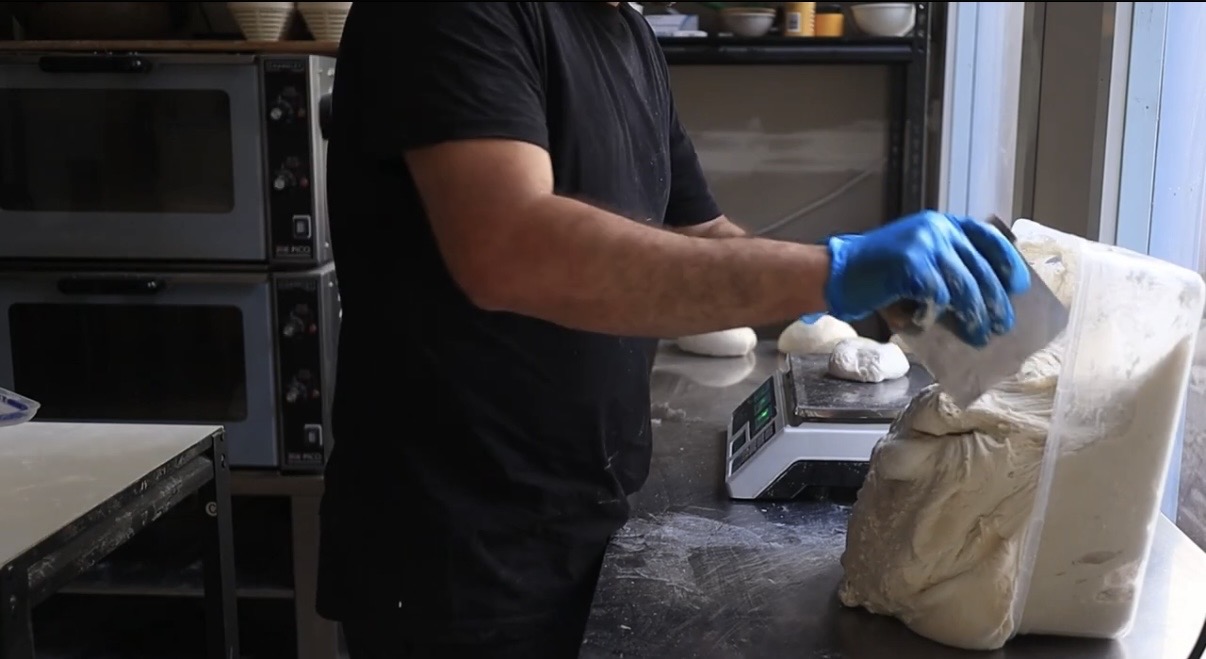
For the sourdough I wanted to produce, I generally planned for at least 12 hours of cold fermentation. It was part of my process for getting the result I wanted from the dough. That meant I had to plan fridge space and the timing of the next bake before accepting extra orders.
That 12-hour cold proof was my method, not a universal rule that every sourdough recipe must follow. Some bakers use different fermentation schedules and can produce excellent bread. The important thing is to give your own dough the time and conditions it needs.
Once you factor in mixing, fermentation, proofing, oven capacity and cooling, it becomes obvious why the order cut-off cannot be decided by looking at delivery time alone.
How I handled emergency bread orders
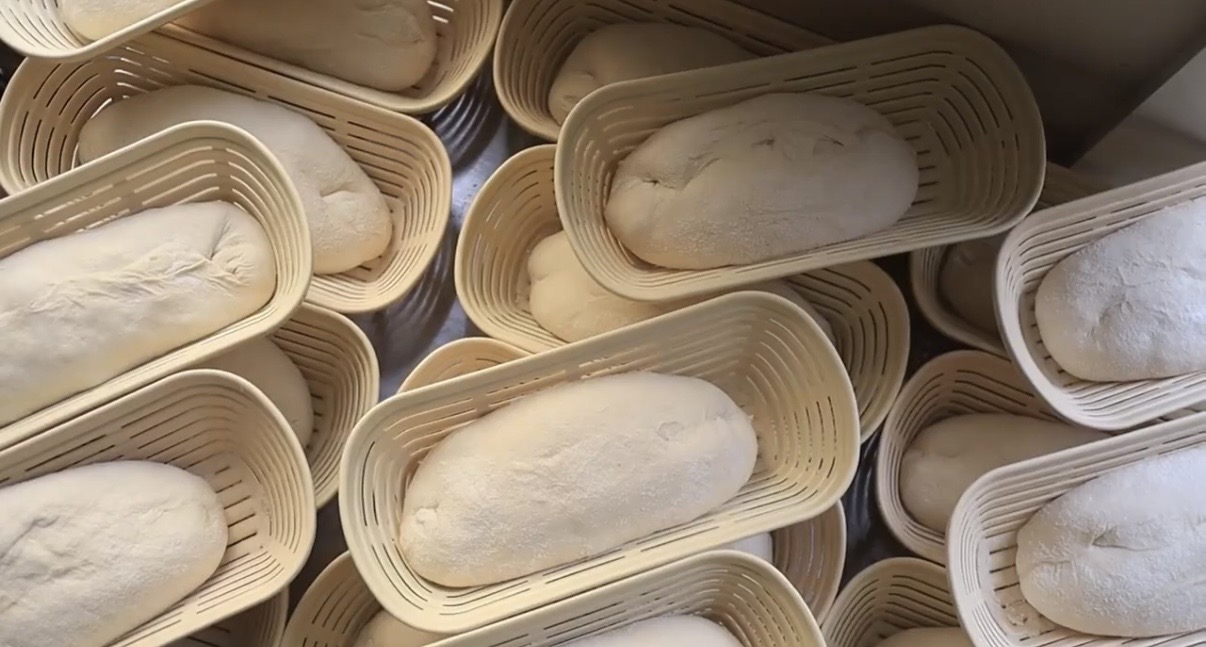
As demand grew, I often had a little spare bread available. That meant I could sometimes help a customer who urgently needed loaves inside the normal 48-hour window.
But the spare bread was a bonus, not the foundation of my service. I would rather surprise a customer by being able to help than promise bread I could not reliably produce. Most orders still followed the standard notice period.
That distinction matters. If customers learn that you always accept last-minute orders, an exception can quickly become an expectation. And expectations shape the way you have to run your bakery.
I wrote the two-day delivery promise on my website
When I introduced online ordering for my retail bread customers, I made the delivery window clear in the product information. Customers could see that I operated on a two-day turnaround. It gave them confidence about when to expect their bread, while allowing me to arrange production around that promise.
The website was not simply a place to collect orders. It was part of the production system: a way to communicate how I worked before someone placed an order.
My advice is to write your lead time plainly beside your order options, and repeat it in the confirmation. State your cut-off time, the earliest available delivery or collection date, your delivery area and what happens on non-baking days. Only make a delivery promise you have tested against your real capacity.
Would a 48-hour rule work for every microbakery? No.
If you are beginning with a home microbakery, perhaps you only want to bake once a week. In that case, a weekly preorder model may be more sensible than accepting bread orders every day.
For example, you could open preorders early in the week, close them at a clearly stated time, prepare the dough around your fermentation schedule, and offer Saturday collection or deliveries. You can plan your ingredients, fridge space and oven capacity around one dedicated bake day instead of constantly changing the plan.
If you grow into several baking and delivery days, you might adopt a rolling 48-hour window like I did, or a longer lead time for large wholesale orders. The right system depends on your production volume, your equipment, your customers and your available time.
How to work out your own order cut-off
- Start with the delivery or collection time. Decide when the customer should receive the bread, then work backwards.
- Map the actual production steps. Include starter preparation, mixing, fermentation, shaping, cold proof, baking, cooling, slicing and packing.
- Check the bottlenecks. Consider how many loaves your oven can bake, the fridge space you have, supplier lead times and how long your delivery run takes.
- Allow a realistic buffer. Make room for equipment delays, late ingredients or an unexpectedly slow batch, without routinely sacrificing product quality.
- Put the rule on your website. Let customers see the earliest collection or delivery date before they pay.
- Review it as the business grows. More orders may justify additional bake days, but only when your capacity and workflow can support them.
The best cut-off is not the shortest one you can advertise. It is the shortest one you can deliver consistently while making bread you are proud of.
A quick word about home bakery rules and bread safety
If you are baking from home, check what your local council and food regulator require before offering collection, delivery or retail sales. Requirements vary by location and food activities. In South Australia, businesses selling food generally have to notify their local council. Other countries and jurisdictions can have different registration, premises and labelling rules.
For Australian guidance, start with Food Standards Australia New Zealand’s home-based food business guidance and the South Australian Government’s food business notification guidance.
Plain, fully baked bread can have a different food-safety risk profile from products with perishable fillings, but it is not exempt from hygiene, suitable storage, packaging and labelling requirements. Sourdough can keep its eating quality well in suitable conditions, but shelf life is not unlimited: mould, storage conditions, ingredients and slicing all matter. Do not make a blanket shelf-life promise without considering your specific product.
That wider subject deserves its own article. For now, remember that compliance and safe handling are part of the production plan, not something to investigate after the first sale.
What my 48-hour rule taught me
Looking back, the 48-hour minimum was about more than timing. It protected my ability to bake larger quantities without turning every customer request into an emergency. It also showed customers that a microbakery can be personal and flexible while still having clear boundaries.
You are not only selling the loaf. You are managing a process that begins long before the bread comes out of the oven.
If you are setting up a microbakery, start with a system you can repeat. You can always shorten the lead time later if your production truly allows it. It is much harder to rebuild trust after promising bread you cannot deliver.
You may also find my articles on the five numbers to calculate before starting a microbakery and choosing the right bread oven useful when planning capacity.
What order cut-off do you use in your bakery—or what would make sense for the way you want to bake? Share it in the comments. Your answer may help another baker plan their first production week.


Leave a Reply