
THE CRAFT · From soil to bread
Before a loaf develops its crust, crumb and flavour, there is a field, a grain and a remarkable community of microorganisms. Understanding that journey changes how we approach sourdough: instead of following a clock blindly, we learn to read the flour and the fermentation.
Bread begins long before the bakery
Wheat grows in soil that supplies water, minerals and a living ecosystem. The grain develops as part of a plant shaped by its genetics, growing conditions and harvest. But soil does not simply become sourdough bacteria through a direct, unbroken chain. Microorganisms can reach grain and flour from many environments, including the field, milling equipment, water, hands and the bakery itself.
What milling changes
A wheat kernel contains bran, germ and endosperm. White flour is predominantly endosperm; wholemeal flour retains more of the kernel. Milling extraction, particle size and flour storage influence water absorption, enzyme activity and fermentation behaviour. A higher protein percentage can be useful information, but it does not alone tell you gluten quality or how a dough will handle.
Why a sourdough starter ferments
When flour and water are mixed, naturally present microorganisms have access to moisture and nutrients. Over successive refreshments, conditions favour an established community, typically including lactic acid bacteria and yeasts. Yeasts help produce carbon dioxide that can raise dough; lactic acid bacteria produce organic acids that influence flavour, acidity and dough behaviour. The organisms interact, and the balance depends on flour, temperature, hydration and feeding routine.
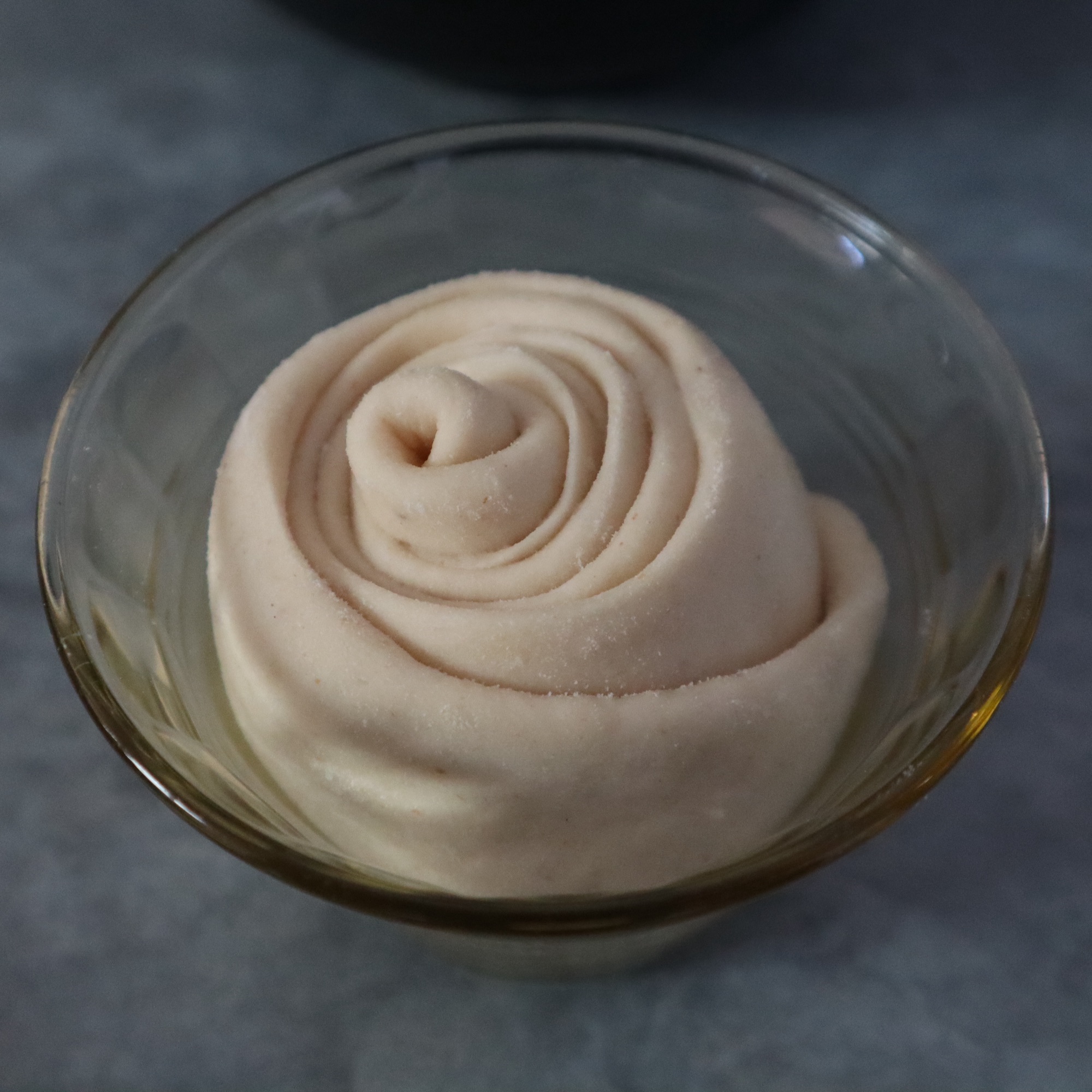
A starter is therefore not just a jar of bubbles. It is a maintained fermentation culture. Bubbles indicate gas production, but a reliable starter also needs predictable growth, aroma and timing after feeding.
Understand your flour before changing the recipe
Start with the flour label, but do not stop there. Note whether it is white, wholemeal or rye; observe how quickly it hydrates, how much strength develops during mixing, and how the dough changes during fermentation. Different flours can need different water levels and handling even at identical recipe percentages.
For a practical comparison, make two small doughs using the same baker’s percentages, temperature and process, changing only the flour. Record water absorption, extensibility, fermentation pace and baked result. Treat the observations as your own test rather than assuming a universal winner.
From fermentation to bread
In the final dough, microbes ferment available sugars while the gluten network, where present, helps retain gas. Time and temperature affect the pace, but dough condition determines when to move forward. Read our guide to controlling sourdough dough temperature for the next practical step.
The lesson for the baker
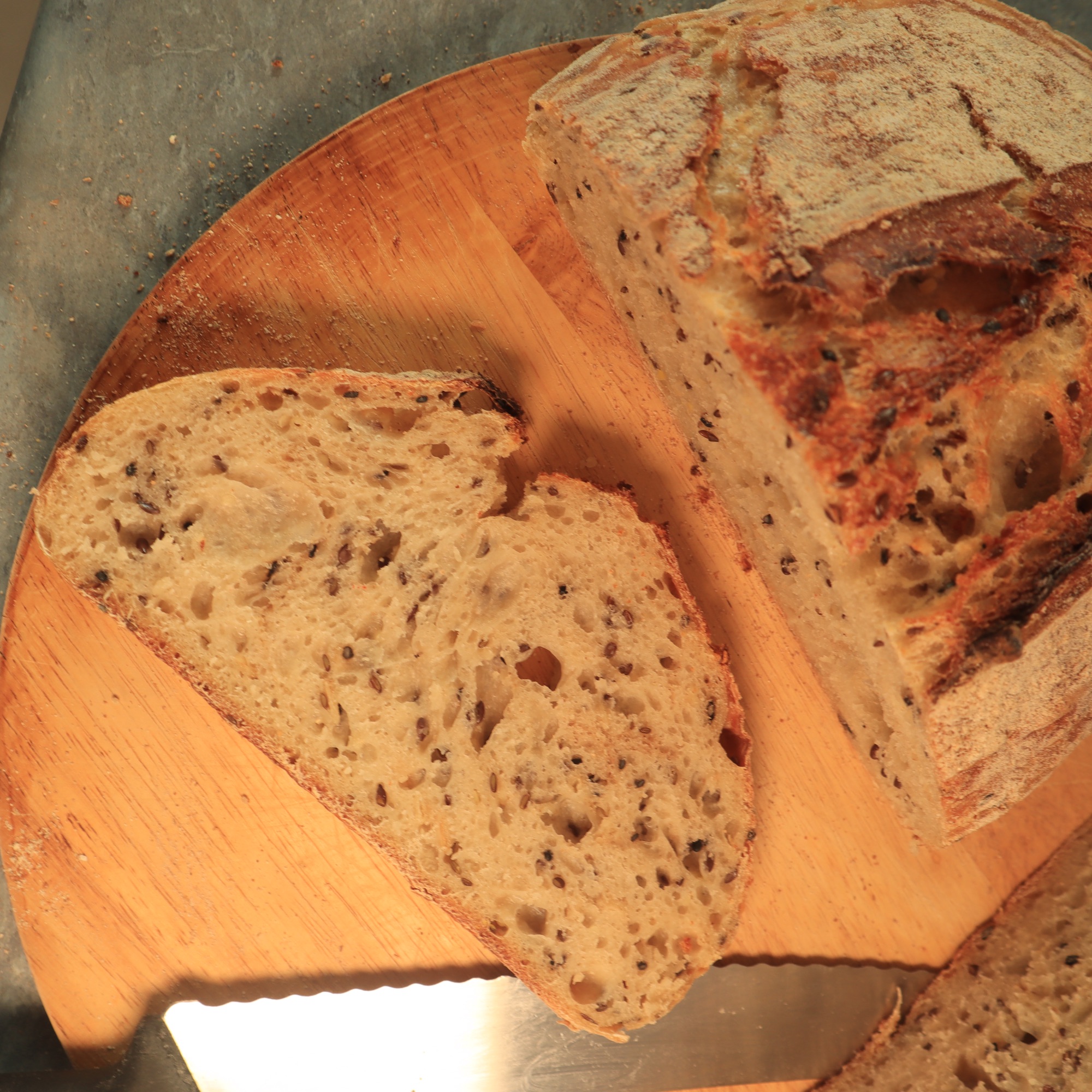
A recipe tells you what to do. Understanding grain and flour helps explain why the dough behaves as it does. Learn the ingredients, observe the culture, record the results, and let the bread teach you what needs changing.
For further practical baking notes and new Journal articles, join the SA Bakery Supplies mailing list.


Leave a Reply